



ENG
HOMEConnector InformationWhat is a Pin Header?

  • What is a Pin Header?

  • 2026-05-04

Electronic connectors are the unsung infrastructure of modern electronics, enabling power and signals to travel between components without permanently bonding them together. Among the simplest and most widely used of these connectors is the pin header, a modular interface quietly supporting everything from hobbyist prototypes to mission-critical industrial systems. Understanding what a pin header is and what it does demystifies how electronics are assembled, tested, repaired, and upgraded. For newcomers, pin headers are often the first connector encountered. For professionals, they are a reminder that even the most unassuming components can define reliability, scalability, and long-term system performance.

What Does a Pin Header Do?

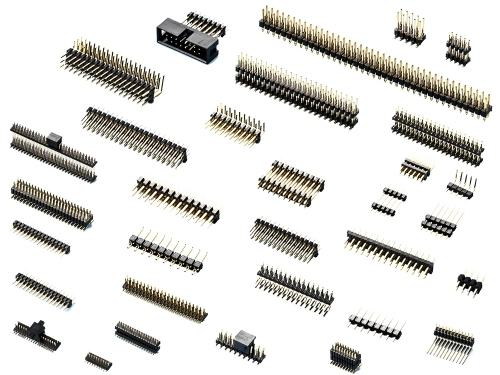
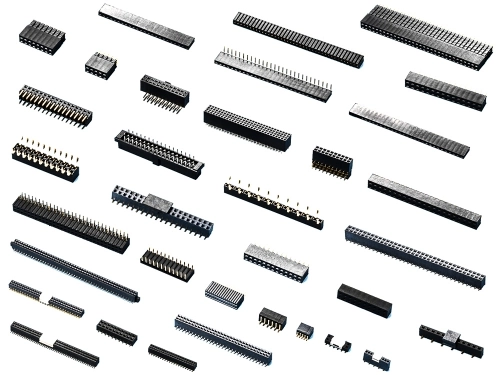
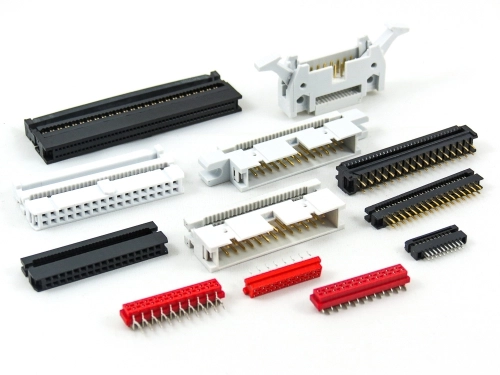
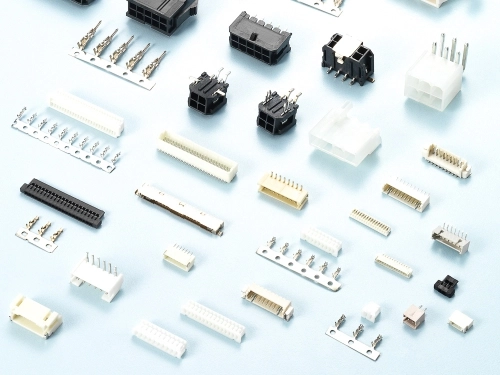
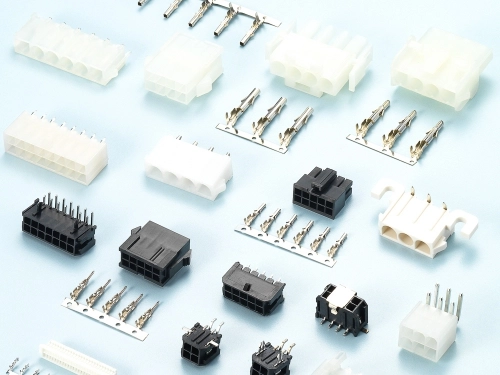
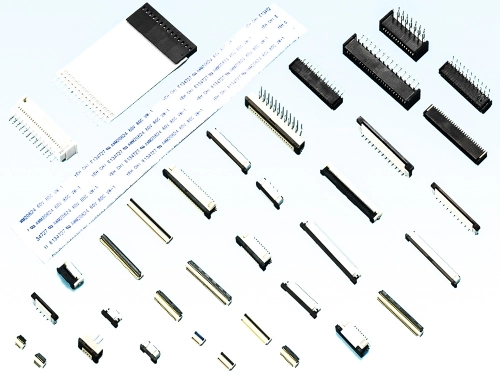
A pin header is a male electronic connector—and only male—consisting of one or more metal pins arranged in a single or double row, typically mounted onto a printed circuit board (PCB). These pins create exposed electrical contact points capable of mating with corresponding female connectors, sockets, or cables. However, a pin header's ultimate purpose is to transmit power, data, or control signals between boards, modules, or external devices. 

Pin headers work by establishing direct metal-to-metal contact between conductive pins and a mating connector. Once inserted, the contact force maintains electrical continuity while allowing separation when needed. This makes pin headers ideal for environments where components must be swapped, tested, or reconfigured. Allowing rapid iteration without soldering cables directly to boards is why engineers often rely on them during prototyping. In finished products, pin headers continue to serve as programming ports, expansion interfaces, or internal interconnects.

Manufacturing a pin header begins with precision-formed metal pins, usually made from copper alloys, such as brass or phosphor bronze, for conductivity and strength. These pins are also often plated with tin, gold, or other finishes to improve corrosion resistance and electrical performance. The pins are then set into an insulating housing—commonly made from high-temperature thermoplastics—to maintain spacing and alignment. Now, depending on a few factors, such as materials, tolerances, and production volume, the cost for pin headers can greatly vary; basic versions can be as low as a few cents per unit, while higher-reliability, gold-plated, or custom configurations will increase the price.

Common Applications Using Pin Headers

It's nearly impossible to go about your routine and not run into an electronic connector of some kind. Even if you narrow down the species of electronic connectors to pin headers, you wouldn't be able to go about your day without interacting with a device, machine, or tool utilizing said connector in some way. For instance, these components are used wherever electronics require simple, flexible, and cost-effective connections. Some example industries and applications incorporating pin headers in their designs include: 

  • Consumer electronics for internal board connections and programming ports
  • Industrial automation for sensor modules and control interfaces
  • Medical devices for diagnostics, calibration, and modular subsystems
  • Telecommunications equipment for signal routing and testing access
  • Automotive electronics for control units and embedded modules
  • Aerospace and defense systems for development, testing, and redundancy pathways
  • Educational and prototyping platforms, such as development boards and evaluation kits

The Right Pin Header Manufacturer

Choosing the right pin header matters more than its simplicity suggests. Poorly manufactured pin headers can introduce intermittent connections, signal loss, mechanical instability, or premature failure. Factors, such as plating thickness, pin straightness, housing material quality, and dimensional consistency, all influence long-term performance. Even minor variations can result in costly downtime or troubleshooting. A dependable manufacturer ensures every pin header performs consistently across batches and, over time, supports both current designs and future evolutions.

Oupiin Enterprise provides this reliability by combining precision manufacturing with a broad portfolio of pin headers designed for power, signal, and data applications. Our focus on quality materials, tight tolerances, and responsive technical support allow engineers to integrate pin headers confidently, regardless of whether they are for prototyping or full-scale production. Working with a trusted manufacturer ensures even the smallest connector positively contribute to a system's overall performance, longevity, and success.


202502211359388tpM   20250221140032bqsM   20250221140042bUxX 

 
20260504111612sHmI