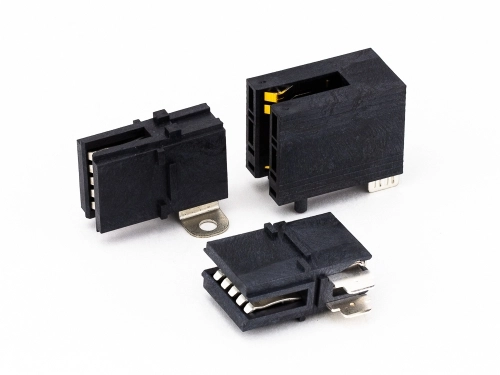
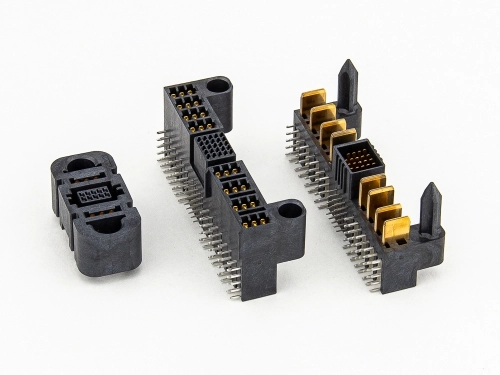
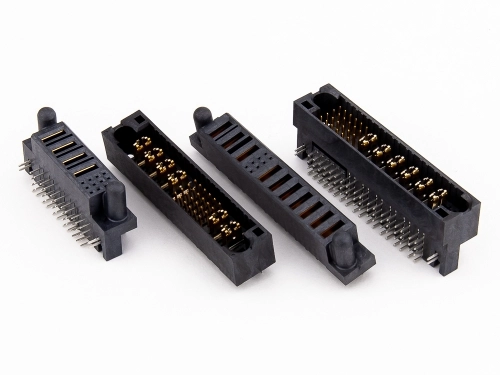
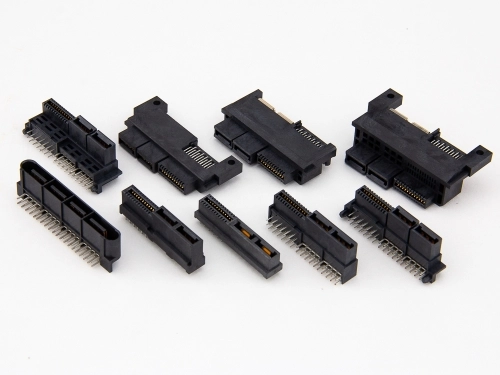
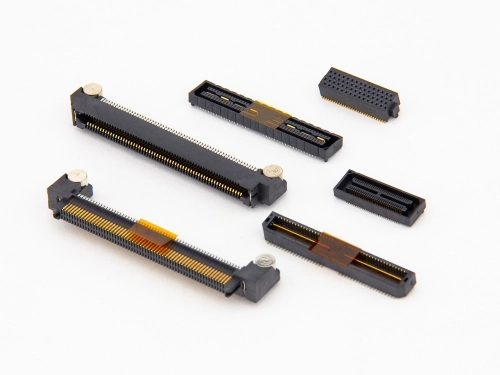
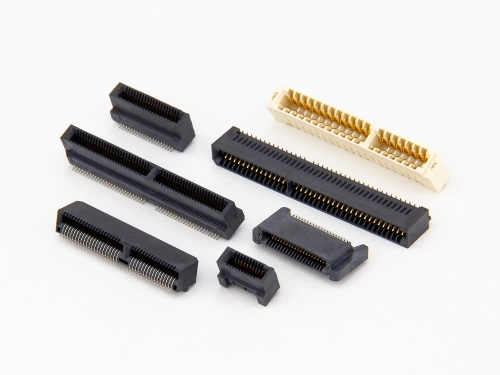
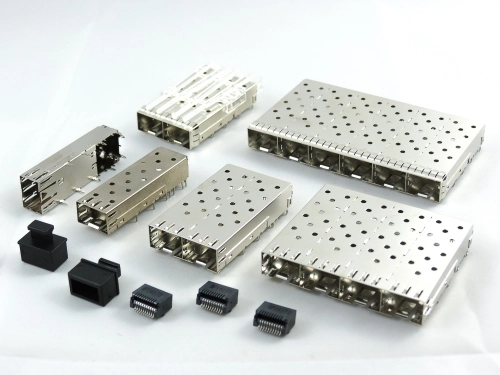
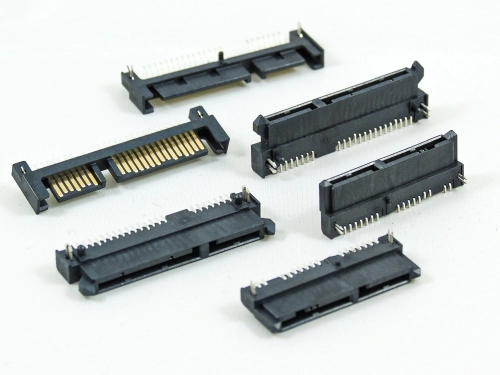
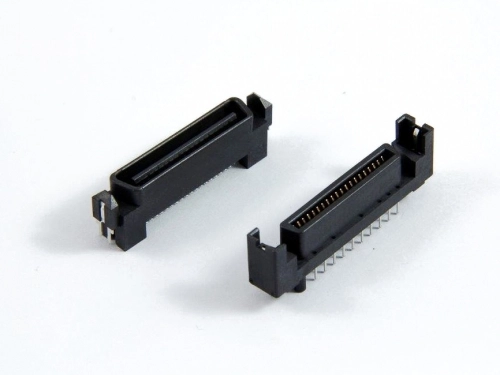
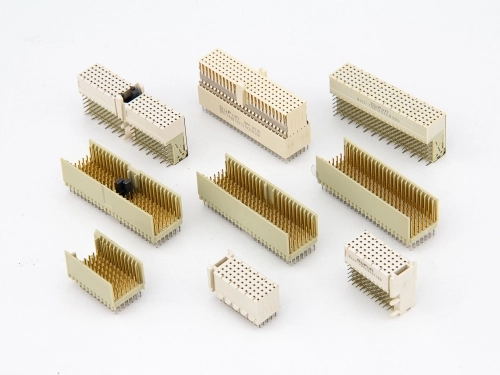
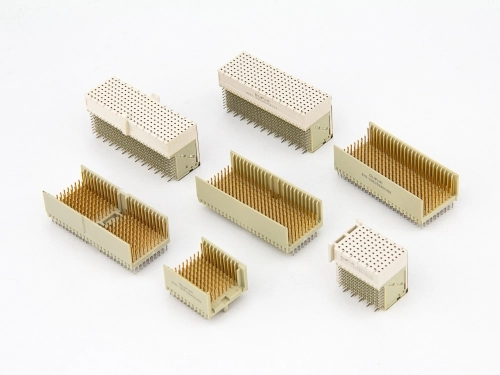
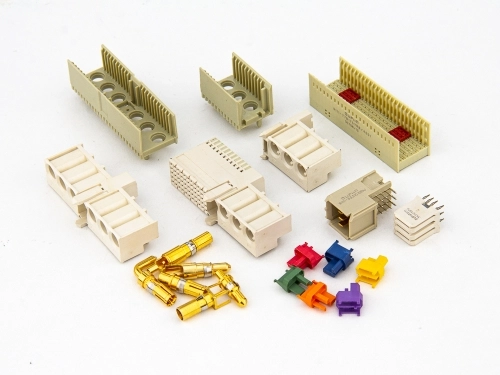
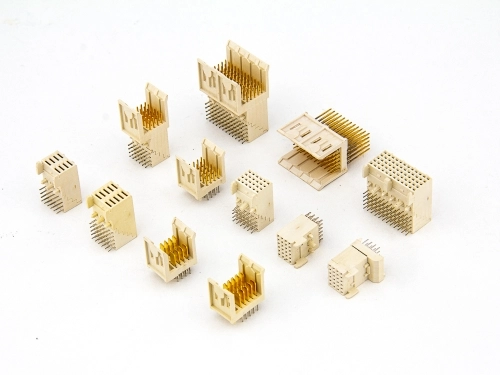
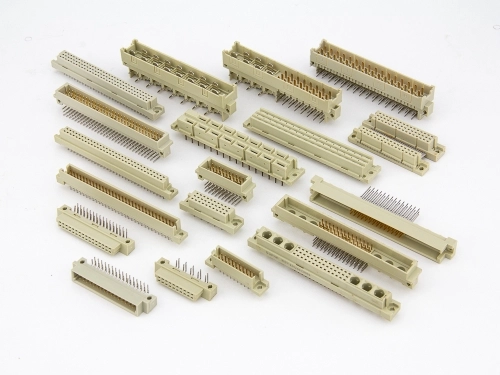
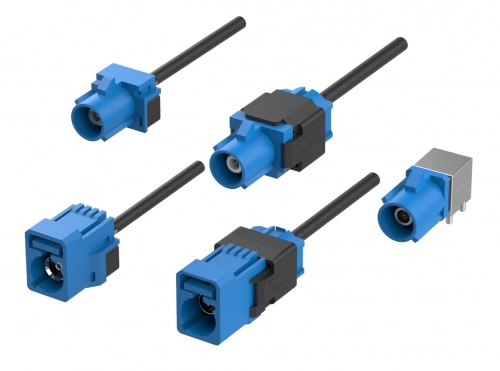
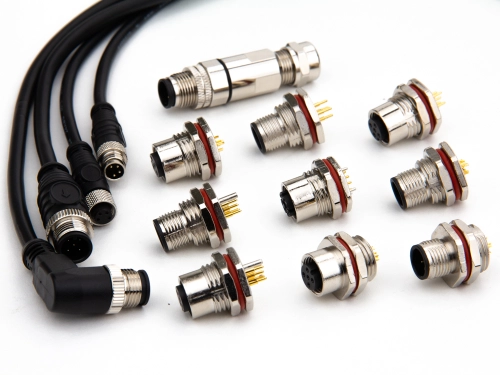
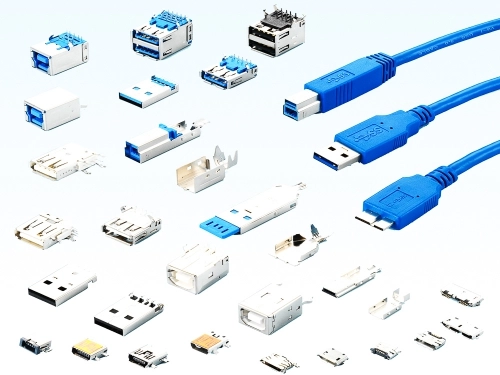
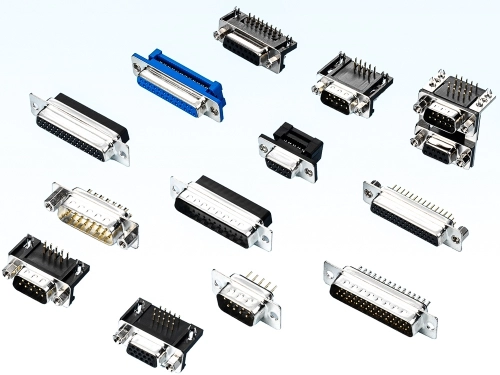
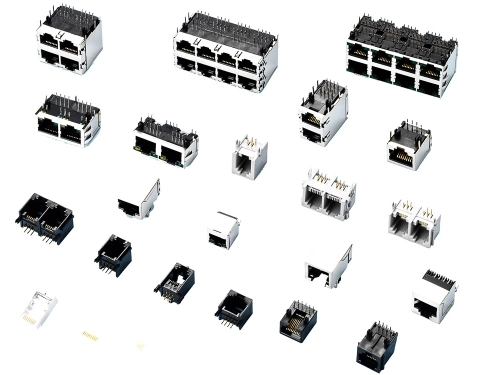
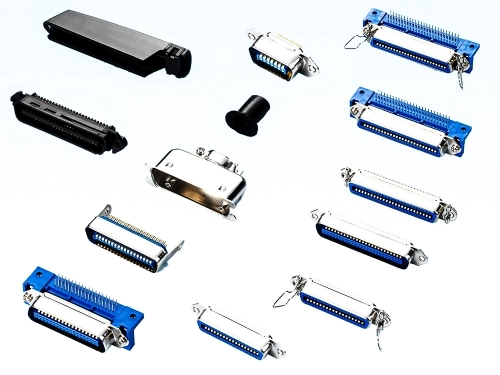
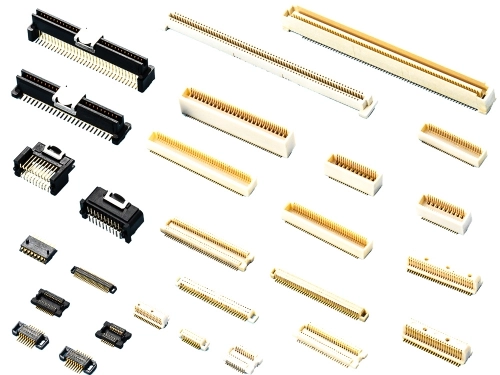
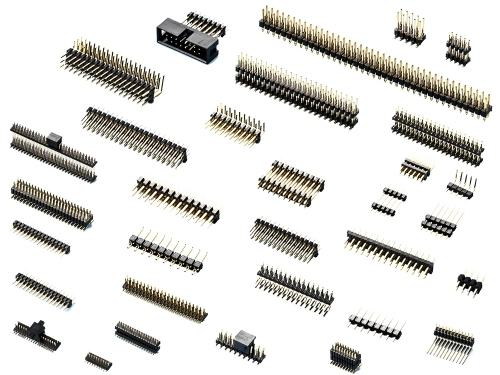
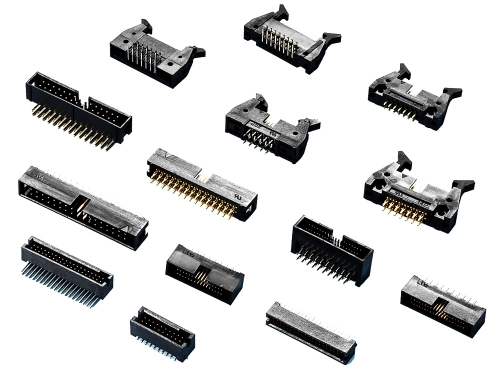
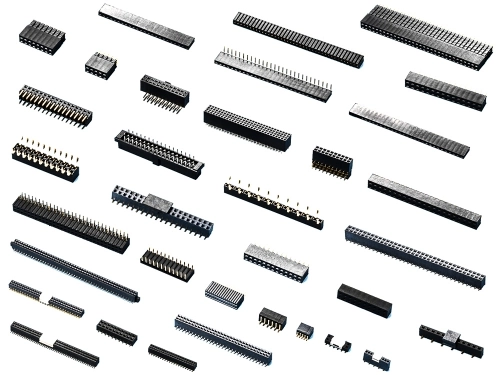
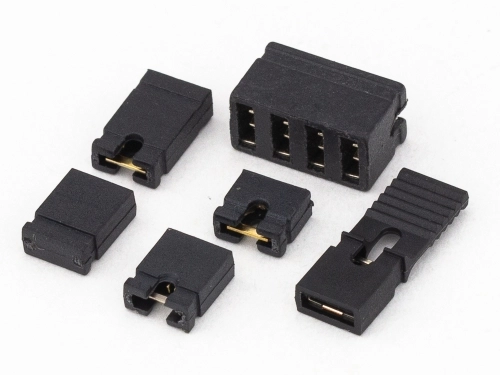
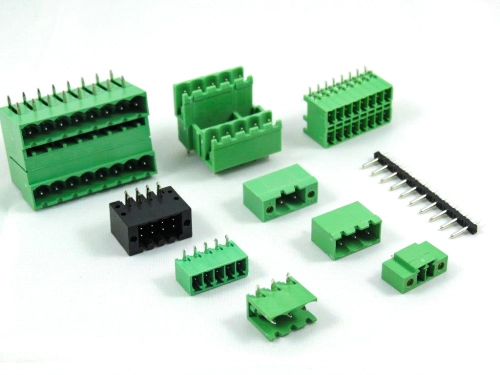
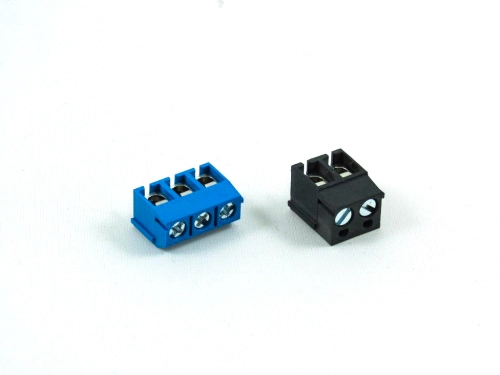
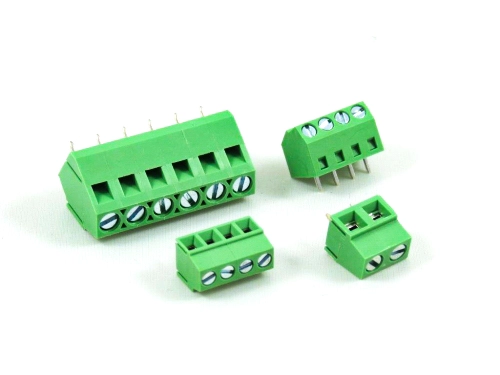
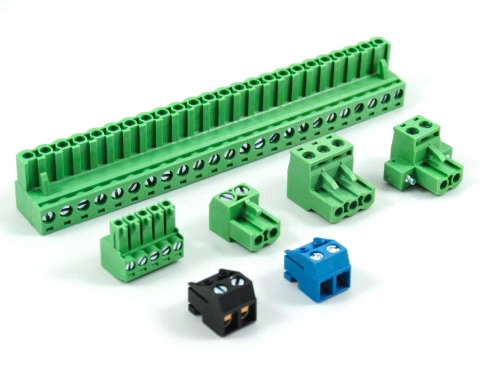
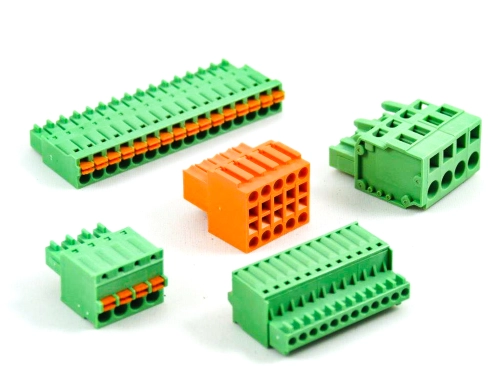
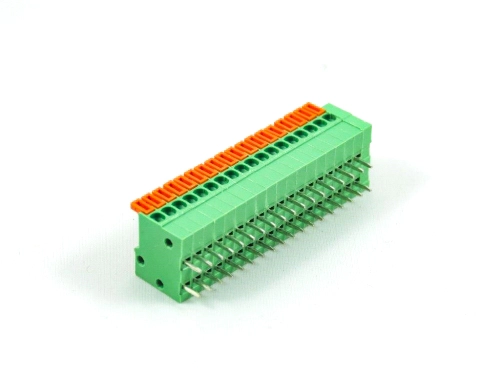
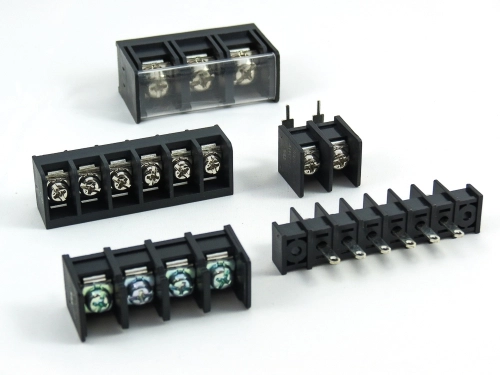
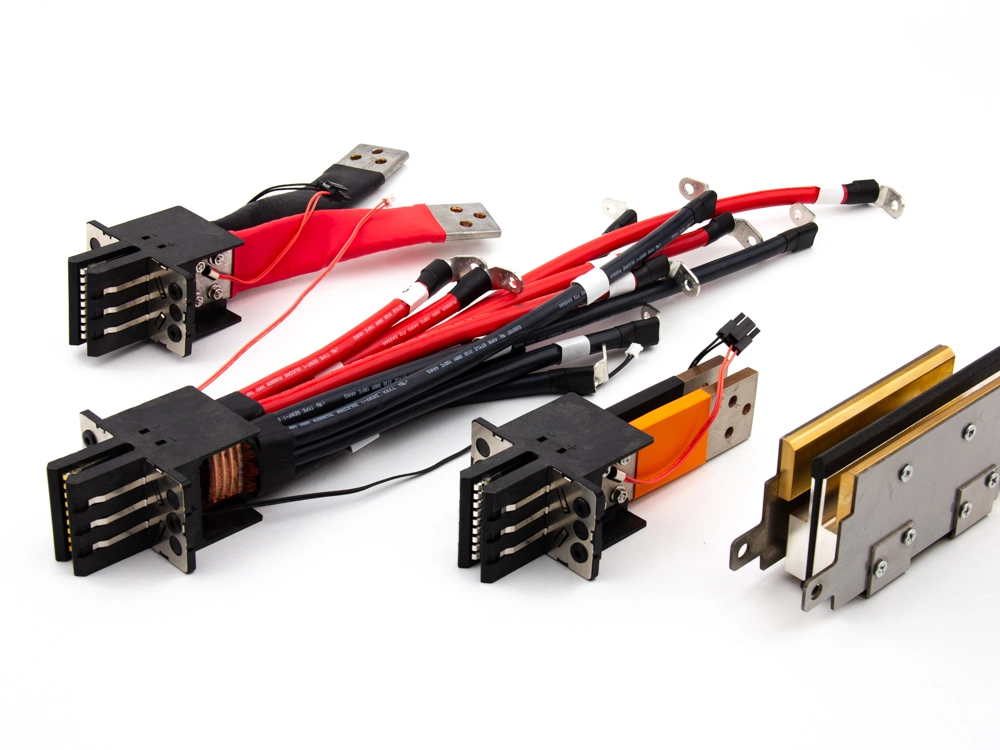
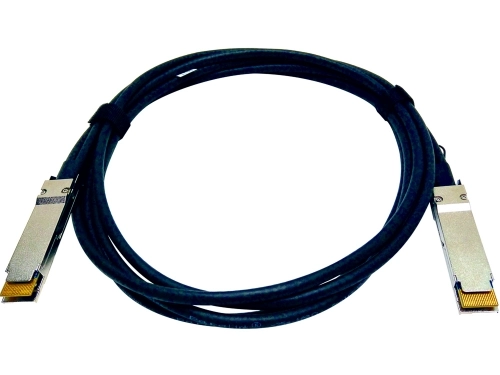
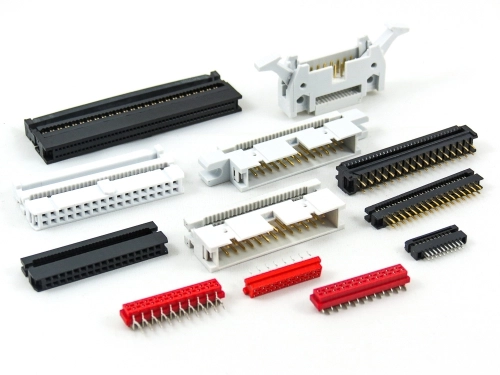
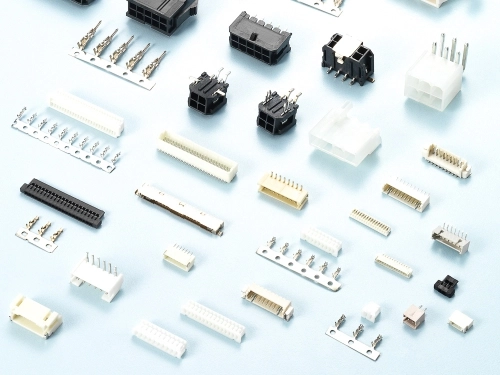
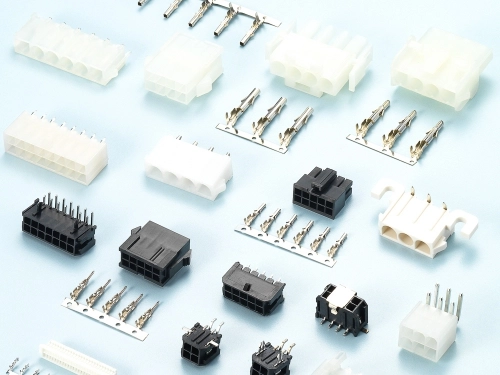
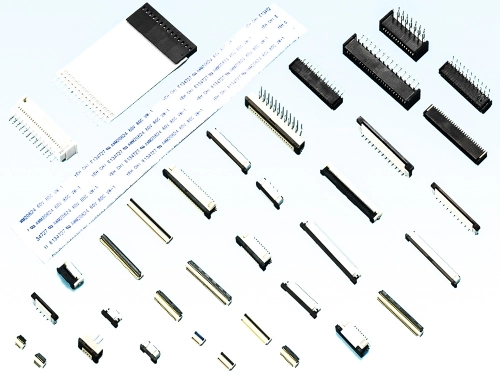
Electronic connectors may look simple at a glance, but they are built from specific materials to ensure reliable electrical performance. Most connectors use conductive copper alloys for their pins, durable polymers for insulation, and protective plating layers, such as tin, palladium, silver, or gold, on their contact surfaces. But, even after a connector reaches the end of its functional life, many of its materials can remain potentially valuable. Copper can be melted and reused , plastics can sometimes be reclaimed depending on composition, and precious metal plating can be recovered through specialized recycling processes. Among these ingredients, gold stands out as one of the most valuable because of its unique electrical and chemical properties.
Gold, typically, resists oxidation, provides extremely stable contact resistance, and maintains signal integrity in high-reliability electronics. Even when the electronic connector itself can no longer perform, the gold plating—usually—remains chemically intact, which means it can be recovered, refined, and reused into new components. In addition to offsetting material costs, recycling can reduce the environmental impact of mining new amounts of gold, which has been shown to damage and nearby towns and cities. While the economic factor is minimal, the sustainability of the wildlife practice guarantees a positive result for society in the long run.
Is Gold Recyclable?
Yes, gold is one of the most recyclable materials in the world. Unlike many industrial metals degrading in performance after repeated processing, gold—the illustrious and craven precious metal it is—can be melted, refined, and reused indefinitely without losing its physical or electrical properties. Once recovered from electronic scrap, recycled gold is chemically identical to newly mined gold and can be used again in various applications, such as high-reliability electronic components, aerospace hardware, medical devices, and precision connectors. In Short, responsible electronics manufacturing, which includes the act of recycling used gold, maintains performance standards while conserving and reapplying a finite natural resource.
How to Recycle Gold in Electronic Connectors?
Recycling gold from electronic connectors can involve several specialized steps to safely separate precious metals from other materials. Below is a more lengthy and finely defined summary of what happens at each step, but, in short, these are the most popular steps performed.
First, discarded connectors are collected and sorted to identify components with gold plating. These connectors are then mechanically processed, often through shredding or dismantling, to expose metal contacts. Next, chemical or thermal treatments dissolve base metals, such as copper and nickel, leaving the gold isolated. The recovered gold is then precipitated from solution, filtered, and refined through high-temperature processes to remove impurities. The result is high-purity gold that can be returned to manufacturing streams and reused in new electronic connectors. Recycling gold reduces electronic waste, conserves resources, and ensures that valuable materials remain part of a sustainable technology supply chain.
However, continue reading if you are interested in a more detailed summary of each step. It might be concise and to the point, but you'll learn industry-specific information capable of bolstering your own expertise and knowledge.
1. Collection of Electronic Scrap
Every successful gold recovery process starts with sourcing the right materials and, in this case, this means end-of-life electronics rich in gold-plated connectors. From data center servers and telecom infrastructure to industrial systems, medical devices, and even aerospace hardware, these components are prime recyclable candidates because gold is strategically applied to contact surfaces for superior conductivity and corrosion resistance. This concentrated utilization makes connectors one of the most efficient starting points for material recovery, turning what looks like obsolete hardware into a surprisingly valuable resource. To gather this material responsibly, recyclers rely on established channels, such as certified e-waste processors, IT asset disposition (ITAD) providers, corporate upgrade cycles, government surplus programs, and manufacturing scrap streams. Just as important as the collection itself is how it's handled; proper documentation, traceability, and strict environmental compliance are essential at this stage.
2. Initial Sorting and Pre-Processing
Once materials are collected, the next step is to refine the input, as not all electronic scrap yields the same significance. Using a combination of skilled technicians and automated systems, components are sorted by connector type, gold plating thickness, device category, and overall metal composition. High-value items, like card edge connectors, pin headers, CPU sockets, high-speed backplane connectors, and telecom interfaces, are carefully separated to ensure the most efficient recovery process. This precision ensures a proficiently satisfying yield while minimizing wasted effort on “lower-value” materials.
Proper sorting protects the integrity of the refining process. Unfortunately, mixing low-value scrap with high-grade material can usually dilute recovery efficiency and increase processing costs. As a matter of fact, many facilities try to use advanced tools, like XRF (X-ray fluorescence) analyzers, to quickly assess plating thickness and composition before moving forward. If tools like these weren't used, then unnecessary expenses would be higher while productivity would be lower.
3. Mechanical Size Reduction
To help minimize wear and support the chemical recovery process, large electronic assemblies are broken down into more workable forms. Using industrial equipment, such as shredders, hammer mills, rotary cutters, and granulators, to systematically dismantle connectors and related components is important for breaking apart assemblies, especially when it comes to separating plastic housing from metal contacts and, most importantly, exposing the gold-plated surfaces. Finally, as the materials are dramatically reduced, they transform into a granular, metal-rich mixture comprising copper fragments, connector pins, and residual plastics. In short, this is all done because the now increased surface area allows the chemical processes to interact more effectively with the exposed plating in later stages.
4. Separation of Non-Metal Materials
Once connectors are reduced to a granular form, the next priority is removing the non-metal components since they don't contribute to the precious metal (gold) recovery. Connector housings are typically made from engineered materials like thermoplastic polyester, nylon, PBT, and LCP—excellent for performance in the field, but unnecessary in the refining stage. To isolate the valuable metal fraction, recyclers use a combination of air separations lifting away lightweight plastics, density-based liquid baths distinguishing materials by weight, and vibration sorting systems classifying particles by size and mass. Stripping away non-metal materials early, recyclers ensure downstream chemical processes focus only on the conductive elements where gold plating resides.
5. Base Metal Removal
With non-metal materials out of the way, the focus shifts to separating gold from the base metals forming the core of the remaining contacts. Most connector pins are built on a foundation of copper, nickel, zinc, or tin because they normally provide strength and conductivity, while gold is applied as a thin surface layer to support performance. To isolate said gold, recyclers use targeted processes, like acid leaching (where nitric acid dissolves base metals into solution while leaving gold behind as solid residue) or electrolytic stripping, which uses controlled electrical current to pull base metals into an electrolyte bath. Removing the underlying metals increases the concentration of gold in the remaining material, efficiently enhancing downstream recovery.
6. Gold Dissolution
Once the underlying metals have been removed, the remaining gold must be converted into a liquid-based chemical state using specialized processes. The most common approach involves aqua regia, a highly reactive acid mixture breaking gold down and transforming it into a soluble compound. At this stage, gold is no longer visible as a solid—it exists as ions suspended within a solution. However, in certain large-scale operations, alternative methods, such as cyanide-based solutions, may be used to achieve similar results, though, this intensive Damaging and process requires strict environmental controls and regulatory oversight.
7. Gold Precipitation
Once gold has been successfully brought into solution, the next objective is to recover it in solid form. Reducing agents, such as sodium metabisulfite, ferrous sulfate, or oxalic acid, are typically used to reverse the chemical state of the dissolved gold. As the reaction progresses, gold ions can be seen converting back into metallic form, separating from the solution and settling as a fine particulate material. The result is a dense, brown powder often referred to as gold precipitate or gold sponge. Although it lacks the familiar shine of finished gold, it can already reach impressively high purity levels, often between 95–99%.
8. Filtration and Washing
Once gold has been recovered in powder form, it must be thoroughly cleaned to prepare for final refining. Filtration is used to separate the solid gold from any remaining chemical solutions, while repeated washing cycles remove lingering impurities, such as acid residues, dissolved metals, and reaction byproducts. It's crucial that only gold moves forward in this step, or else it can damage products, machines, or tools using this gold later on down the line. However, to achieve this level of purity, the gold powder is carefully rinsed using deionized water, neutralizing agents, and sometimes alcohol to eliminate contaminants and stabilize the material. Proper cleaning at this stage won't just prevent interference in later refinement steps, but also ensures a more consistent and higher-purity final product.
9. Gold Refining
With the gold powder fully cleaned, it is ready for transformation into its final, usable form through high-temperature refining. Specialized furnaces reaching temperatures exceeding 1,064°C (1,947°F) melt the material down, allowing the gold to liquefy and separate more effectively from any remaining trace impurities. Flux materials, such as borax, silica, and soda ash, are also introduced to bind with residual contaminants, forming an identifiable layer of slag above the molten gold. This covering can and will be removed.
Once purified, the molten gold is cooled and solidified into practical forms, such as small bullion bars, pellets, or ingots. When done correctly, efficiently, and sustainably, purity levels typically reach 99.9% or higher, marking a near-complete return to its original, high-value state. The culmination of careful material recovery is where precision, chemistry, and engineering converge to restore gold to a standard suitable for reuse in advanced applications.
10. Quality Testing and Certification
Before recycled gold can re-enter the supply chain, it must be rigorously tested to confirm its purity and performance. This is especially critical in industries like electronics and aerospace, where even minor inconsistencies can impact reliability. To meet these standards, multiple verification methods are used, including fire assay and X-ray fluorescence (XRF). For even higher levels of accuracy, ICP spectroscopy is employed to validate ultra-high purity. The gold is not only refined, but can be certified as a consistent recycled material capable of performing in the same demanding, high-precision applications as freshly mined gold.
11. Reintroduction into Manufacturing
Once refined and certified, gold returns to the manufacturing ecosystem as a high-performance material ready for immediate use. It is widely reintroduced across industries, such as electronic connector production, semiconductor fabrication, medical devices, aerospace systems, and telecommunications infrastructure, where reliability and consistency are non-negotiable.
For instance, within connector manufacturing, recycled gold is commonly applied to contact plating, edge connectors, high-speed signal interfaces, and critical aerospace-grade contacts. One of gold's greatest advantages is its permanence. Unlike many materials, it does not degrade through recycling, allowing it to be reused indefinitely without sacrificing conductivity or corrosion resistance. This makes it not only a high-performance choice but also a sustainable one that supports long-term innovation.
Is Recycling Gold Expensive?
Recycling gold does involve operational costs, but it is often far more economical than mining new gold. Yes, expenses typically include collection, sorting, renting specialized equipment, hiring local expertise, mechanical processing, chemical treatment, refining, and environmental compliance measures, but the value of the recovered gold usually outweighs the cost of the process. As technology continues to grow and electronic devices become more widespread, recovering gold from discarded electronics provides an increasingly practical way to balance material demand with sustainability goals. Providing a new home to the long-lasting precious metal known as gold isn't just a wholesome story idea for Pixar, but it will also reduce the energy-intensive and resource-heavy environmental impact of mining operations for new gold.
Finding A Sustainable Electronic Connector Manufacturer
As sustainability becomes a global priority, choosing the right electronic connector manufacturer is just as important as selecting the connector itself. Companies supporting recycling initiatives, reducing waste during production, and responsibly sourcing raw materials demonstrate a commitment to both technological innovation and environmental stewardship. Consider asking for a manufacturer's certifications, seeing how truly transparent they are, and their ability to engineer connectors performing consistently across international markets.
Balancing performance, reliability, and sustainability in modern electronics are just a few of the motivations behind Oupiin's constant innovation. We design connectors meeting a variety of demanding electrical and mechanical requirements while still supporting responsible material usage and efficient production processes. Want to learn more? Contact us as soon as you are ready!