




Every AI server, industrial robot, EV charging station, telecommunications rack, and cloud computing facility depends on systems capable of safely moving power and signals between components with minimal loss and maximum reliability. Long before advanced electronic connectors existed, cables became the universal solution because they offered flexibility, conductivity, and relatively simple installation methods. Bundled conductive wires were insulated with rubber, cloth, or polymers allowed electricity to travel across growing electrical infrastructures while supporting increasingly sophisticated technologies throughout the 19th and 20th centuries.
As electrical systems expanded, so did the need for higher current capacities, safer distribution methods, improved thermal management, and denser packaging. The concurrent advancements in metallurgy, insulation materials, shielding techniques, and conductor manufacturing significantly supported cable performance and growth over the decades. However, rising power demands within hyperscale data centers, renewable energy systems, industrial automation equipment, and AI computing architectures began exposing the physical and thermal limitations of traditional cable-heavy designs. These challenges ultimately accelerated the adoption of more efficient power distribution methods capable of handling modern electrical loads with greater consistency and structural efficiency.
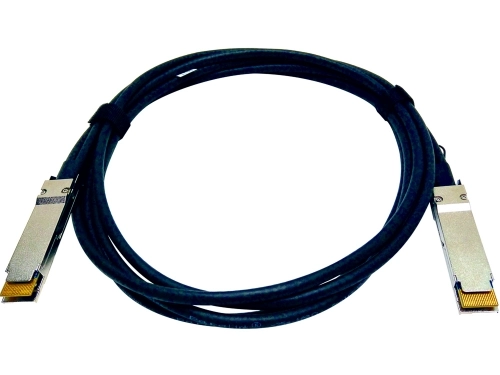
Traditional cable systems rely on insulated conductive wires to transmit electrical power or signals between devices, components, or subsystems. These conductors are typically made from copper or aluminum and grouped into cable assemblies designed around specific voltage, current, environmental, or signal requirements. Historically, many early electrical systems required direct soldering between conductors and terminals, creating highly permanent electrical pathways. Practically, this meant maintenance, upgrades, or repairs often required physically cutting wires, desoldering joints, and manually rebuilding electrical connections. Large industrial systems frequently contained extensive cable bundles routed through machinery, cabinets, or infrastructure channels, creating dense wiring networks that were difficult to trace and labor-intensive to service.
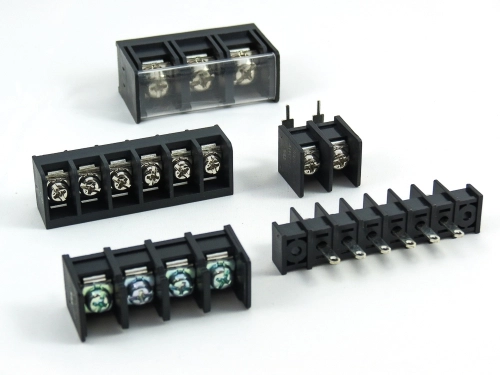
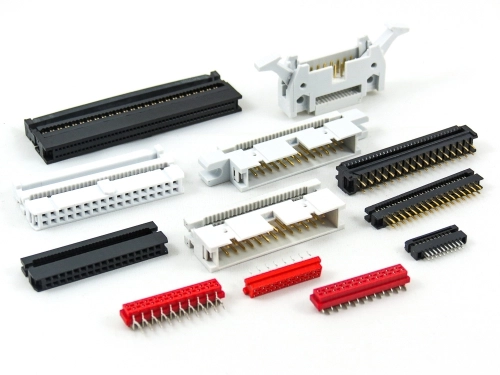
As electrical systems became more sophisticated during the 20th century, modularity slowly improved through terminal blocks, plug-and-socket systems, and detachable connectors. However, traditional cable networks still introduced several operational difficulties. Thick cable bundles consumed valuable physical space, restricted airflow, increased installation complexity, and generated substantial heat buildup under high-current conditions. Cable routing also introduced variability because bends, lengths, and conductor organization could influence resistance, signal integrity, and thermal behavior. In high-power environments such as server racks or industrial power shelves, managing hundreds of individual cables became increasingly time-consuming and expensive. Even small maintenance tasks could require extensive disassembly, troubleshooting, and cable management corrections, turning simple upgrades into prolonged operational disruptions.
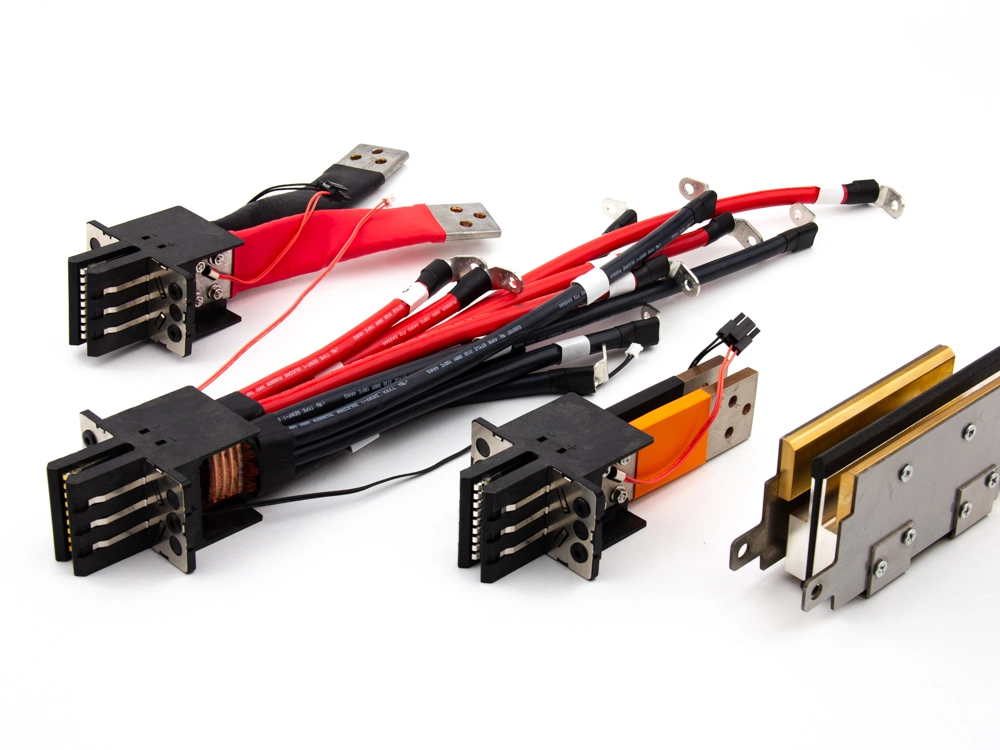
Busbar connectors were developed to solve many of the electrical, thermal, and spatial inefficiencies associated with high-current cable systems. Instead of relying on bundled wires, busbar connectors use solid conductive bars—usually copper or aluminum—to distribute electrical power across systems with significantly lower resistance and improved current-carrying efficiency. Unlike flexible cable assemblies, busbars create firm, highly organized power pathways capable of supporting extremely high currents while minimizing voltage drop and heat generation. Although early forms of busbars appeared in industrial electrical systems during the late 19th century, modern busbar connector systems evolved significantly alongside telecommunications infrastructure, renewable energy systems, EV platforms, and hyperscale computing environments.
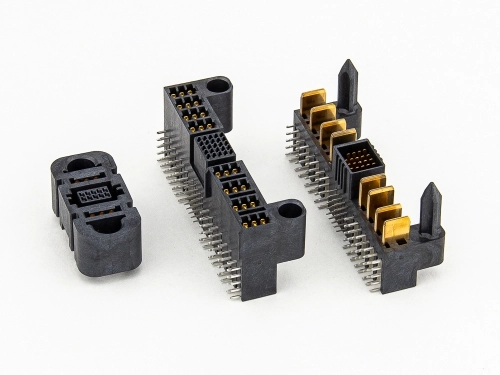
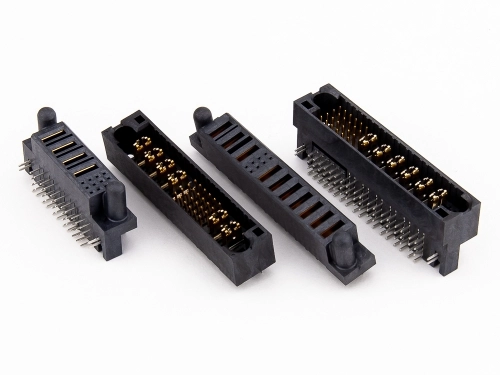
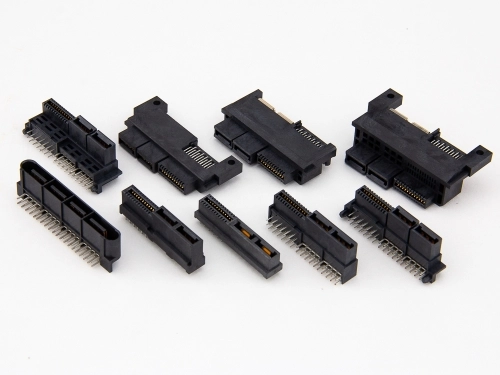
One of the primary reasons busbar connectors are used over traditional cabling is thermal efficiency. Traditional cables generate heat because currents flow through relatively small conductive strands surrounded by insulating material trapping thermal energy. In contrast, busbars expose far greater conductive surface area directly to surrounding airflow, allowing heat to dissipate more effectively. This lower resistance design reduces power loss while improving overall system efficiency. In high-density environments, such as AI servers and cloud computing systems, even the smallest thermal improvements can dramatically affect operational reliability, cooling requirements, and long-term energy costs. Modern busbar connector systems can also support hundreds of amps while maintaining cleaner layouts and reducing unnecessary conductor bulk. Additionally, the average contemporary busbar connector incorporates many features the previous decades couldn’t fathom, such as blind-mating capabilities, multi-contact power terminals, floating alignment mechanisms, and advanced plating technologies engineered to withstand repeated mating cycles, thermal stress, and high-vibration environments.
Today, busbar connector systems are extensively used in data centers, battery energy storage systems, electric vehicles, industrial automation equipment, telecommunications infrastructure, and renewable energy platforms. High-performance power connectors, such as OCP-compliant busbar systems, also support some of the world’s most demanding computational and power-distribution architectures. Busbar connector adoption will continue to expand because modern infrastructure increasingly requires compact, thermally efficient, and high-current interconnect solutions traditional cabling struggles to provide.
A poorly manufactured connector can introduce an increased possibility of resistance, thermal hotspots, contact instability, mechanical misalignment, or catastrophic electrical failure under heavy current loads. Engineers evaluating busbar connector suppliers should carefully examine current ratings, contact resistance specifications, plating quality, thermal performance testing, insertion cycle durability, material composition, and compliance certifications. Manufacturers supporting modern AI infrastructure, telecommunications systems, renewable energy equipment, and industrial automation platforms should also demonstrate expertise in high-density packaging, thermal optimization, and precision manufacturing scalability.
Founded in 1979, Oupiin Enterprise has spent decades supporting evolving connectivity requirements across telecommunications, industrial systems, cloud computing infrastructure, and advanced electronics manufacturing. Oupiin develops connector solutions engineered for demanding modern architectures where efficiency, modularity, and reliability are essential. In industries increasingly defined by electrification, AI processing, and hyperscale infrastructure, choosing the right connector manufacturer is no longer just a sourcing decision. It is an engineering decision capable of influencing the long-term stability and scalability of an entire system. Contact us now if you want to obtain some of our intuitive electronic connectors or if you have any lingering questions on what we can provide.