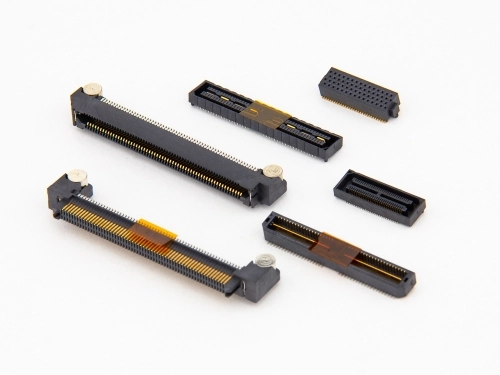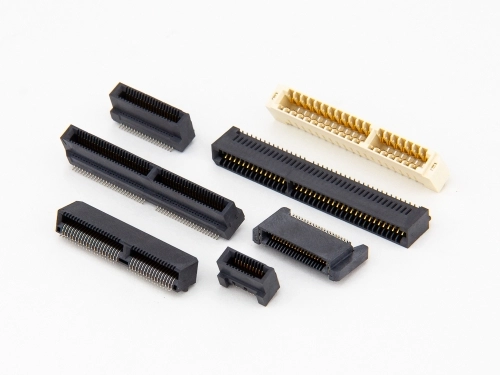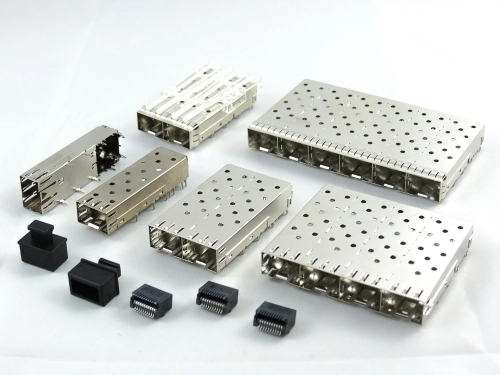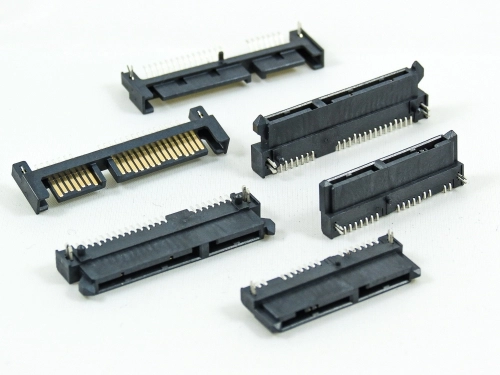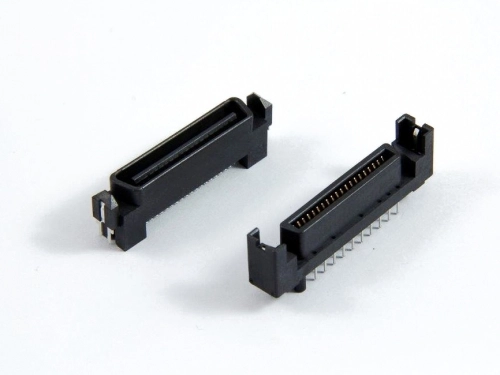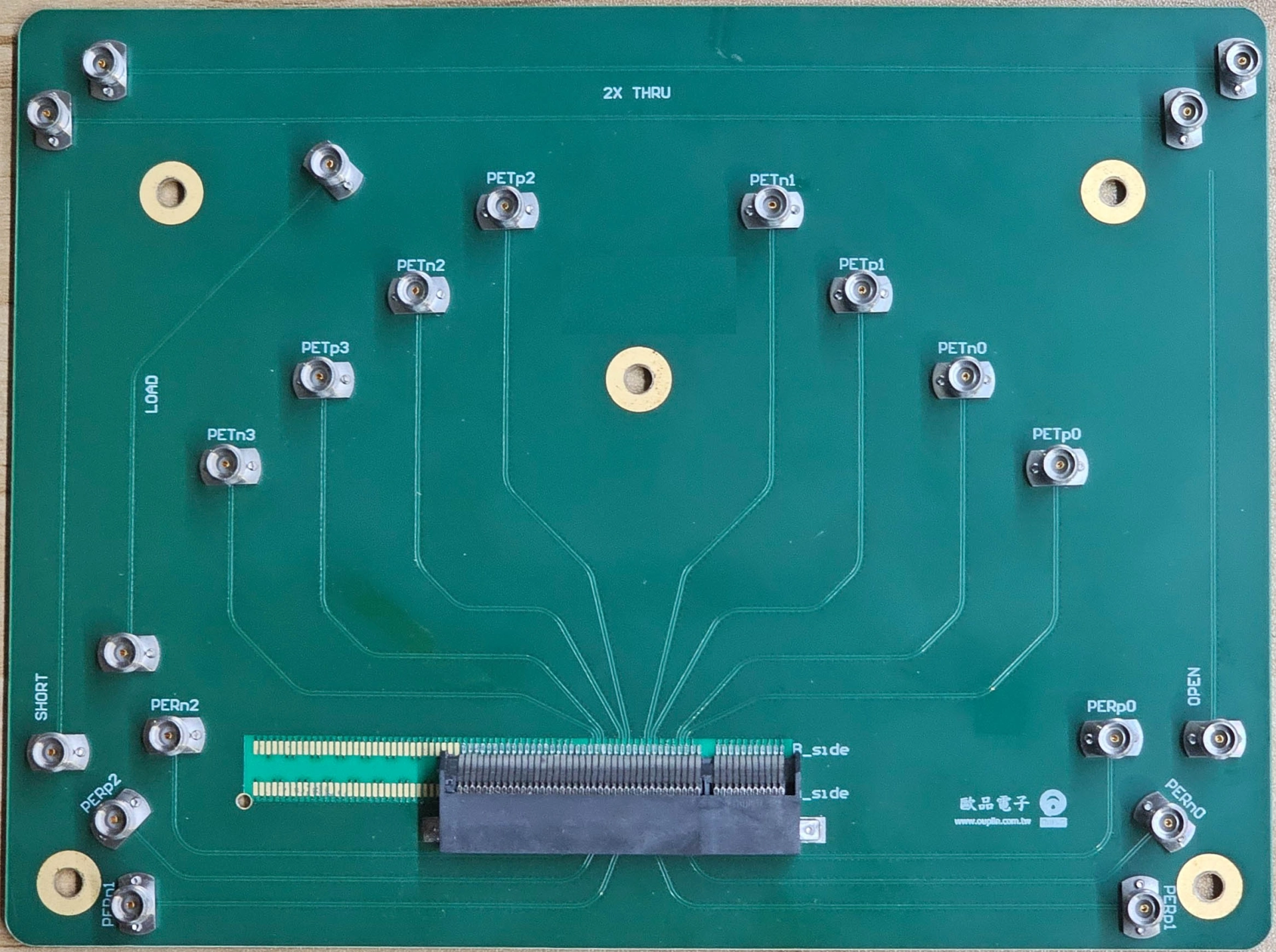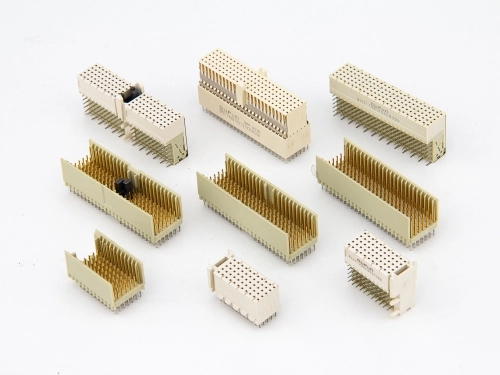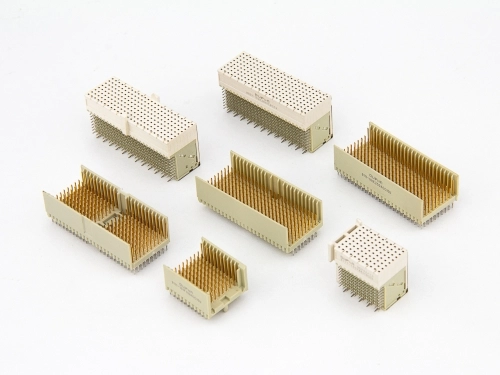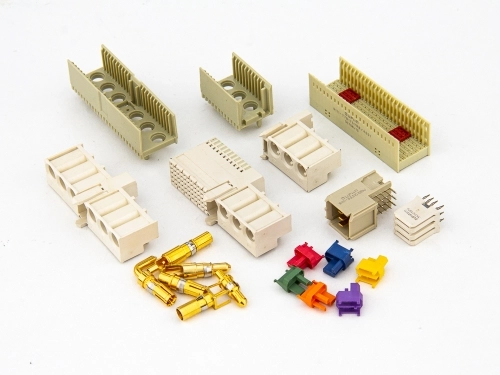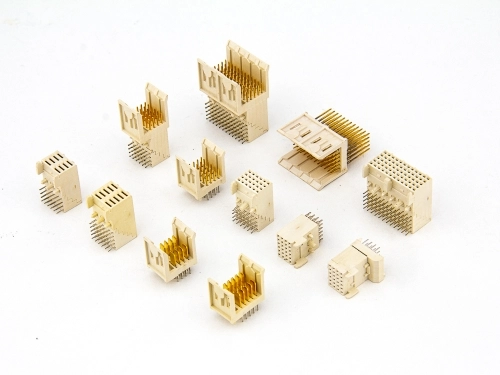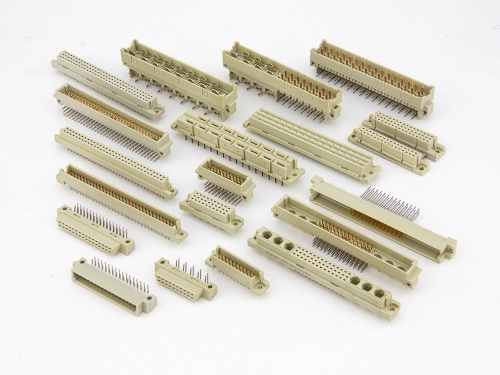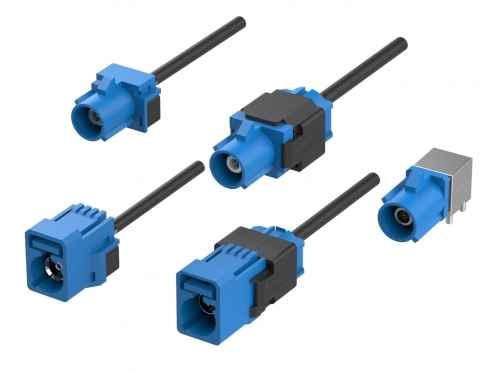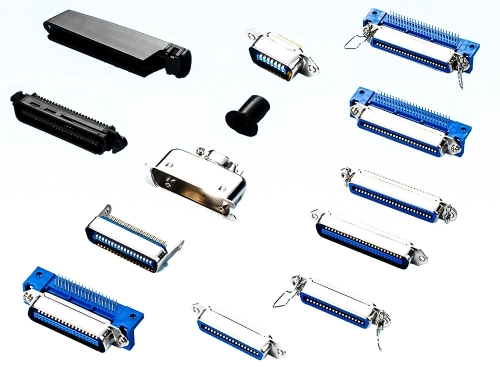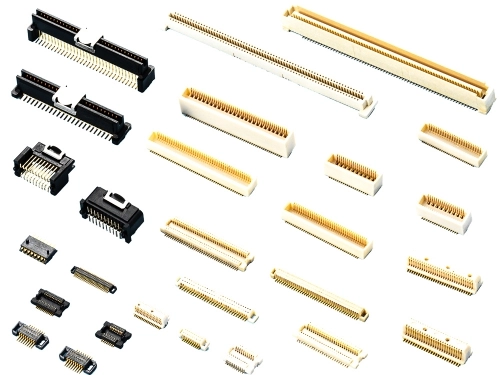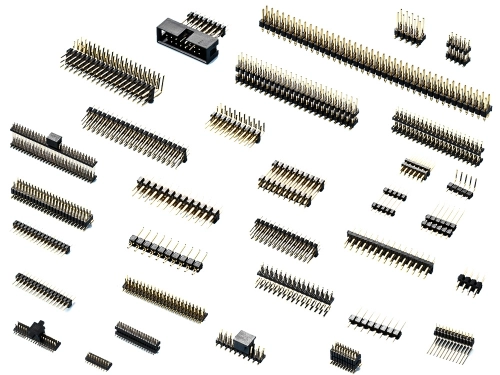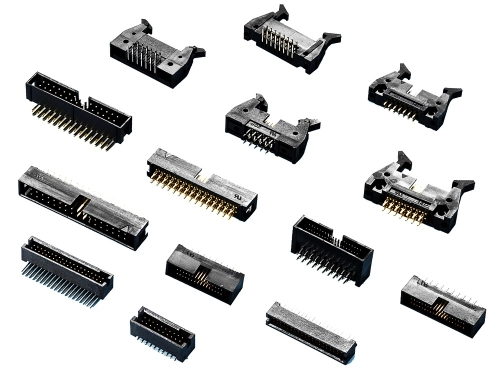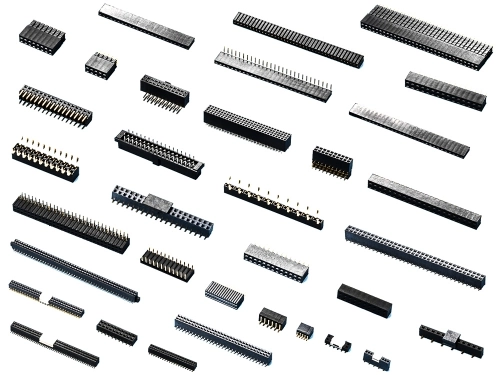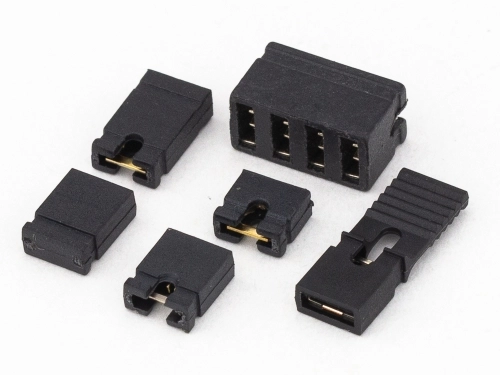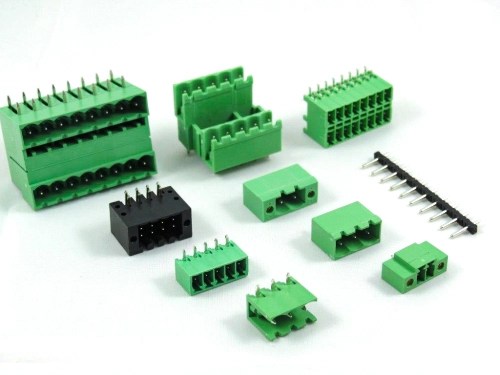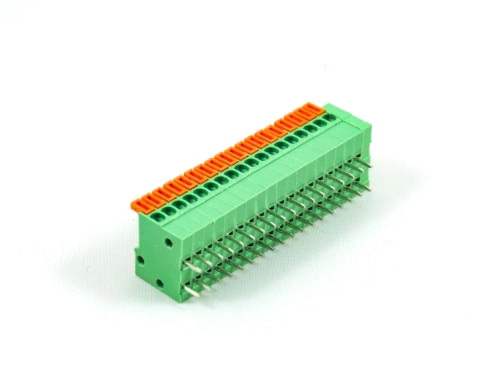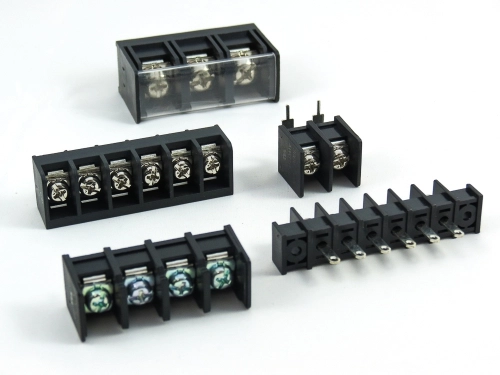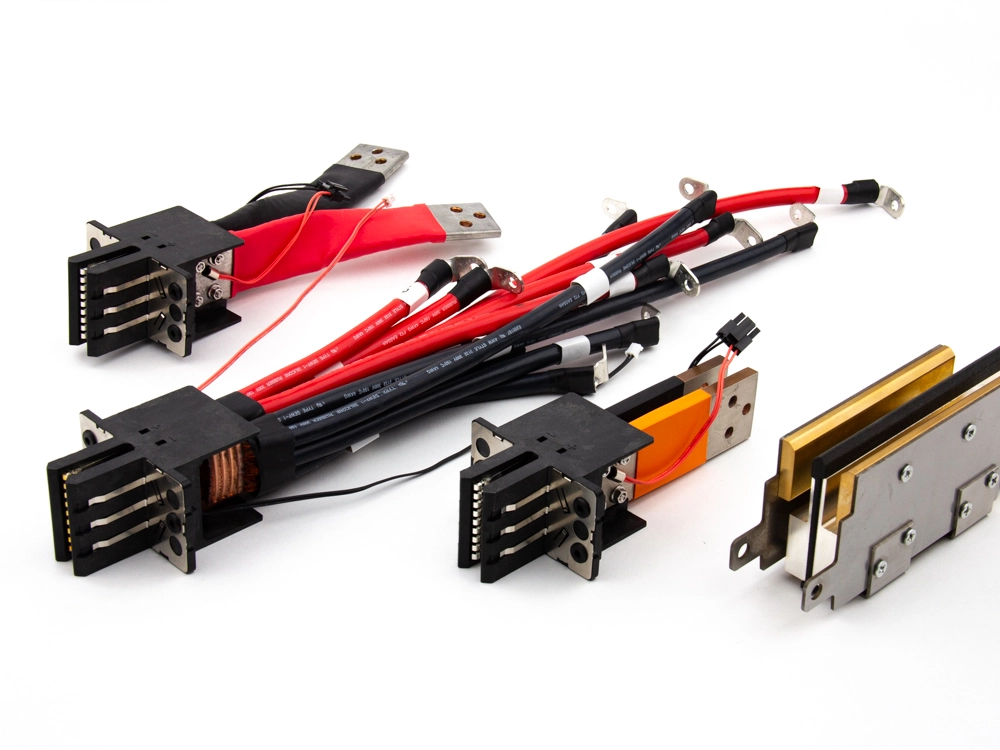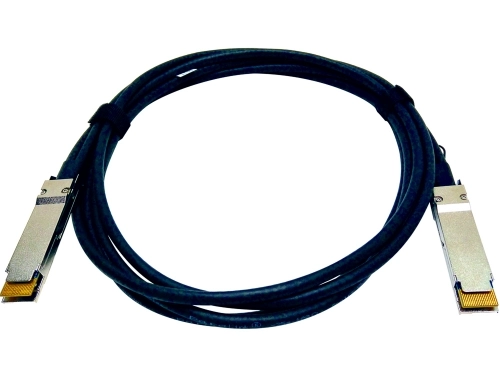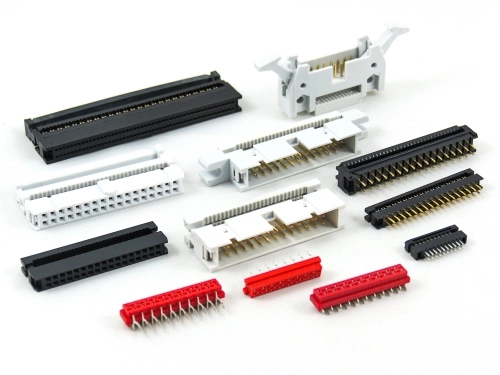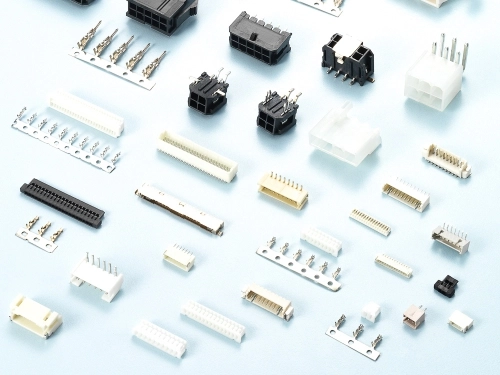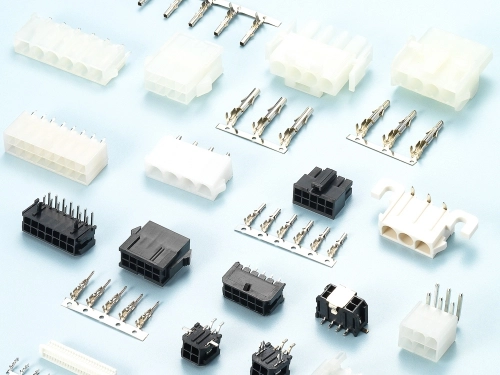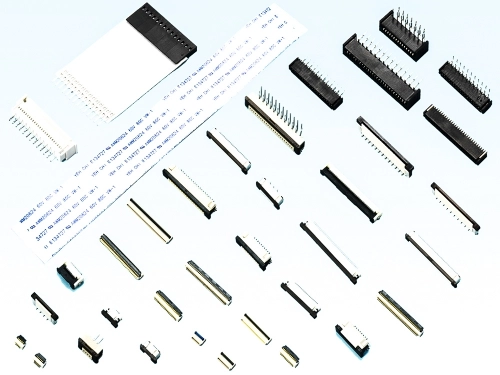


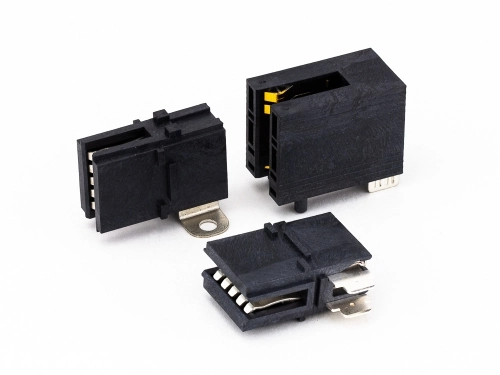
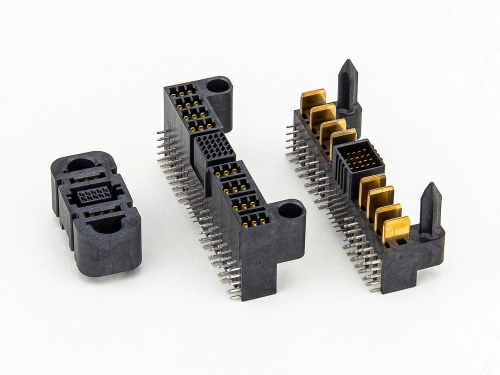
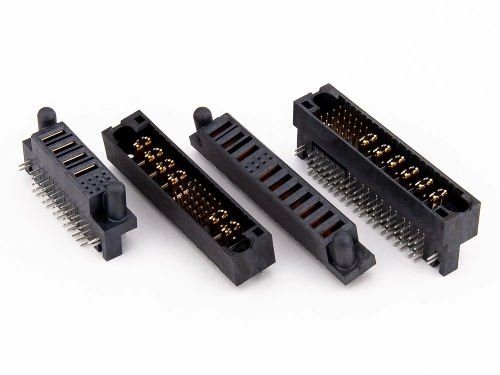
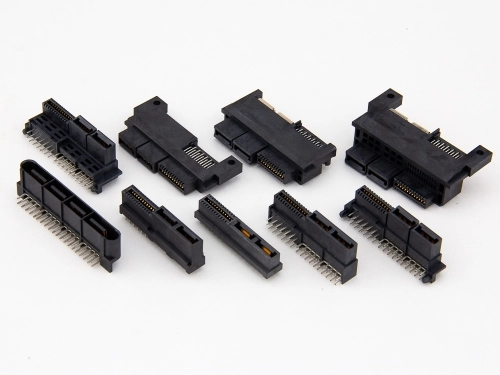
From smartphones and laptops to medical equipment, automotive systems, and industrial machinery, many of today's innovations depend on a surprisingly small component: the board-to-board (BTB) connector. These electronic connectors establish direct electrical connections between two printed circuit boards (PCBs), allowing power, signals, and data to travel between them without requiring separate cables. Depending on the application, BTB connectors can be designed for high-speed data transmission, high-power distribution, or compact electronic assemblies. Without these components, our daily lives would look vastly different, which is why it's important to know what goes into making them and how long they can perform.
The history of board-to-board connectors stretches back decades, when printed circuit board technology began expanding into commercial and industrial electronics. Before PCBs became widely adopted, electronic systems relied heavily on individual wires and manually assembled connections, making increasingly complicated designs difficult to manufacture and maintain. However, engineers needed practical ways to connect separate boards without permanently wiring every component together. Utilizing electrical assemblies that can be easily connected, disconnected, and serviced more conveniently—such as using pin-and-socket arrangements and edge connectors—helped address these foundational challenges.
Growing demand motivated people to continue making improvements in connector configurations, materials, and contact arrangements. Further forward, advances in PCB manufacturing and shrinking electronic sizes further drove the development of smaller, more specialized BTB connectors. Today, these parts are commonly found in computers, telecommunications equipment, automotive electronics, medical devices, robotics, and consumer electronics.
Board-to-board connectors even come in a variety of types, such as high-speed mezzanine connectors, floating connectors, and high-power BTB connectors, further expanding the technology's usefulness in more complex applications. Although their designs have changed considerably over the decades, their fundamental purpose remains the same: providing dependable electrical connections between printed circuit boards.
Although board-to-board connectors may appear simple from the outside, their construction involves several carefully selected materials that contribute to their electrical performance, durability, and reliability. Plastic, particularly engineering-grade polymers—such as liquid crystal polymer (LCP) and polybutylene terephthalate (PBT)—is used to manufacture insulating housings. These housings support and separate the connector's conductive contacts, helping prevent unintended electrical connections while maintaining structural stability. The contacts themselves are commonly manufactured using copper alloys, including brass and phosphor bronze, incorporating a useful combination of electrical conductivity, strength, and flexibility.
Gold plating is frequently applied to contact surfaces, resisting oxidation and helping maintain reliable electrical connections. Tin plating—another popular option—offers an economical finish for electronic connectors involving stringent electrical and mechanical requirements. Some connectors also incorporate nickel plating beneath their outer finishes to provide a barrier between the underlying copper alloy and the contact surface. Specialized materials or additional mechanical components are also observed, depending on their intended use. Ultimately, selecting the right combination of housing materials, conductive metals, and protective finishes helps manufacturers balance performance, longevity, and manufacturing costs.
Board-to-board connectors are designed to provide reliable electrical connections, but they don't last forever. Mating cycles, how many times a connector can be connected and disconnected while continuing to meet its specified performance requirements, are one way to determine the connector’s chances of a long life. Why? A single mating cycle involves inserting a connector into its matching counterpart and subsequently separating the two. During mating, the conductive contacts press against one another to establish an electrical pathway, allowing power or signals to travel between the PCBs. Depending on their construction and intended application, electronic connectors may be rated for dozens, hundreds, or even thousands of mating cycles. However, this number varies considerably between designs, and a higher mating-cycle rating does not automatically mean a connector will last longer in every environment. Importantly, reaching a connector's rated mating-cycle limit doesn't mean it immediately stops working. The rating represents the number of cycles for which the manufacturer has established specified performance criteria under defined test conditions.
Repeated mating, vibration, temperature fluctuations, corrosion, and improper handling can gradually wear down protective plating, weaken contact pressure, or damage the connector's housing. These changes may increase electrical resistance, cause intermittent connections, or eventually prevent the component from operating reliably. So, what happens when a BTB connector reaches the end of its usable life? Once a connector exhibits excessive wear or fails to meet its electrical or mechanical requirements, it should be inspected and replaced as appropriate. For this reason, understanding mating-cycle ratings and environmental specifications is essential when choosing connectors for long-term applications.
As electronic devices continue to advance, selecting dependable, long-lasting board-to-board connectors remains an important part of successful product development. Engineers and manufacturers must consider electrical performance, space limitations, operating conditions, and future maintenance requirements when selecting components. Thankfully, at Oupiin Enterprise, we understand the various applications requiring different connector solutions, which is why, alongside our standardized products, we work with well-experienced engineers to explore custom connector configurations. To learn more about our electronic connectors and custom connectivity solutions, send us an email or give us a call. For our office in Valencia, California, USA, call (661) 294-0228 or send an email to sales@oupiin.com. For our headquarters in Taoyuan City, Taiwan, call +886-3-3655030 or email sales@oupiin.com.tw. We would love to collaborate and support your goals!